Introduction
In a world where emergencies can strike anytime, having the skills and expertise to respond properly is not just a benefit; it's usually a need. Ending up being accredited in emergency treatment can change anyone from a beginner into a hero. This post explores the profound effect that acquiring a first aid certificate can carry people and areas alike. Whether you are considering registering in a first aid course, seeking to improve your profession, or merely hoping to be much better prepared for unexpected circumstances, this detailed overview will supply important understandings into the life-changing benefits of emergency treatment training.
What is a First Aid Course?
A first aid course is developed to gear up participants with the essential abilities required to analyze and manage clinical emergency situations until expert assistance gets here. These training courses cover various topics, including wound treatment, CPR (Cardiopulmonary Resuscitation), choking relief, and much popular First Aid courses more.
Importance of Emergency treatment Training
Why is first aid training so important? Here are some compelling factors:
- Immediate Response: In emergency situations, every 2nd matters. Recognizing just how to provide first aid can conserve lives. Confidence Building: Being trained gives people with the confidence to act when faced with possibly dangerous situations. Community Safety: Trained individuals add to total community safety and security by being prepared for emergencies.
Different Kinds of First Aid Courses
Various sorts of first help courses deal with various target markets and demands:
Basic First Aid Courses: Ideal for every person, covering essential skills. Advanced Emergency treatment Courses: Targeted towards healthcare experts or those searching for more in-depth knowledge. CPR Courses: Focus especially on executing mouth-to-mouth resuscitation effectively.
The Journey from Amateur to Hero
Understanding Your Function as a Very First Responder
When you take a first aid and mouth-to-mouth resuscitation course, you step into the duty of an initial responder. This responsibility is substantial since it suggests you may be one of the very first people on the scene during an emergency.
What Does It Mean to Be an Initial Responder?
Being a first -responder involves:
- Assessing the scenario quickly Making educated decisions Providing first treatment up until expert aid arrives
From Theory to Practice: The Learning Process
The change from learning theory to putting it right into practice can be challenging yet unbelievably gratifying. The majority of training courses include hands-on training sessions where participants technique methods on mannequins CPR certification course nearby or through simulations.
Hands-On Experience: A Game Changer
Hands-on experience enables students to:
- Build muscle mass memory Gain self-confidence in their abilities Understand how to react under pressure
The Life-Saving Abilities Obtained With Training
CPR Methods: Greater than Just Breast Compressions
One of one of the most vital components instructed in any type of CPR course is exactly how to do cardiopulmonary resuscitation efficiently.

CPR Steps Overview
Call for aid (911 or local emergency situation number). Check responsiveness. Begin chest compressions at a rate of 100-120 per minute. Provide rescue breaths if trained.Wound Monitoring and Bandaging Skills
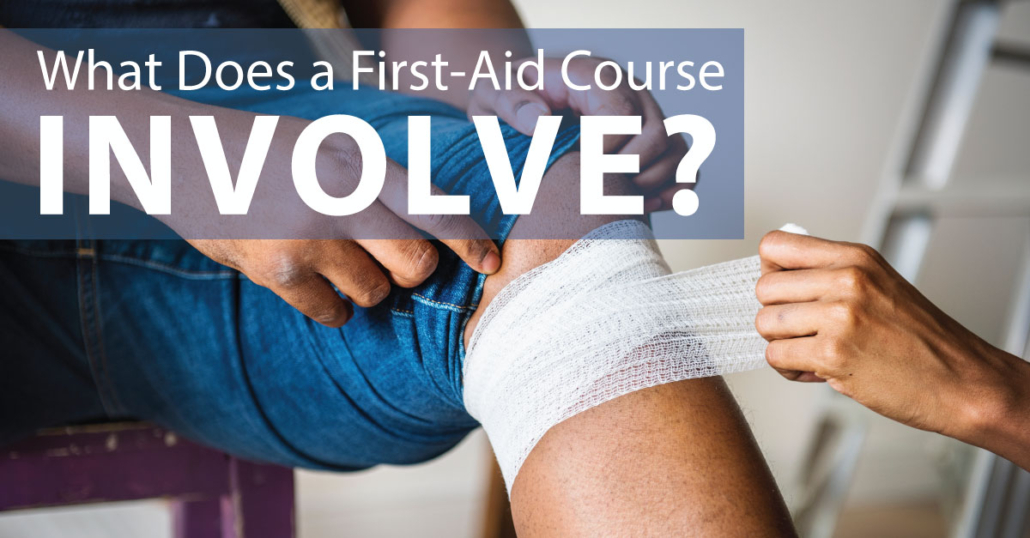
Knowing how to deal with wounds appropriately can prevent infections and more complications.
Simple Methods for Wound Care
- Clean the injury using mild soap and water. Apply disinfectant ointment. Cover with sterile gauze or bandage.
Real-Life Influence of Having a First Aid Certificate
Stories That Inspire Change
Countless stories illustrate how having an emergency treatment certificate has actually changed lives dramatically.
Case Research study 1: A Heroic Rescue at Home
Imagine being at home when your youngster suddenly chokes on food. Many thanks to her training in a first help course, she without delay performed back strikes, removing the food and saving her child's life.
Case Research 2: Work Environment Emergency
In an additional circumstance, a white-collar worker breaks down due to cardiac arrest throughout lunch hour. An associate learnt CPR swiftly intervenes, carrying out chest compressions that eventually lead to effective resuscitation before paramedics arrive.
Enhancing Profession Opportunities With Certification
How Companies Value First Aid Training
In today's job market, several companies look favorably upon candidates who have accreditations in first aid and CPR.

Benefits for Professionals
Having a legitimate first aid certification can use numerous advantages:
- Increased employability Additional ability for job advancement Ability to contribute positively within teams
First Aid Training in Particular Professions
Certain occupations need or strongly gain from having trained personnel on board:
https://connerpoom.bloggersdelight.dk/2025/05/08/what-to-anticipate-from-your-emergency-treatment-course-experience-4/ Healthcare Providers Teachers Lifeguards CoachesChoosing the Right Course for You
Factors Influencing Your Decision
When exploring options for your first help course, take into consideration these aspects:
Comparing Different Organizations Offering First Aid Courses
It's necessary to study different organizations before devoting:
|Company|Training course Kind|Period|Certification Credibility|| --------------|-------------|----------|-----------------------|| Red Cross|Standard|8 hours|2 years|| American Heart Association|Advanced|16 hours|2 years|| Citizen Recreation Center|Fundamental|4 hours|No expiry|
FAQ Section
Q1: What is consisted of in a basic first aid course?
A criterion emergency treatment course commonly consists of subjects such as injury care, shock management, mouth-to-mouth resuscitation methods, choking relief approaches, and injury assessment.
Q2: The length of time does it require to finish a first aid course?
Most fundamental programs range from 4 hours approximately two days relying on whether it's an introductory level or advanced training session.
Q3: Is accreditation required after finishing the course?
While accreditation isn't always obligatory, having it enhances your integrity as somebody certified in emergency feedback situations.
Q4: Are online first aid courses effective?
Online programs can provide adaptability yet needs to preferably consist of practical assessments either essentially or with arranged workshops with certified instructors.
Q5: Can I educate others as soon as I have my certification?
Only if you go after extra certifications such as instructor-level training; otherwise, you're geared up only for personal use unless specified otherwise by your licensing organization.
Q6: Just how frequently must I restore my certification?
Typically every 2 years; nonetheless, specific organizations could need different renewal timelines based on updated standards or techniques discovered throughout re-certification courses.
Conclusion
Embarking on the trip from beginner to hero via getting a first help certificate isn't simply concerning discovering skills; it's about encouraging oneself and others within areas almost everywhere! The understanding acquired with an appealing first help and CPR course improves personal confidence while allowing competent action throughout situations-- potentially conserving lives in the process! So whether you're motivated by personal growth or expert enhancement-- spending time into recognizing these techniques might really alter lives forever!
Remember-- the following time an emergency situation arises around you-- your training could just turn you right into someone else's hero!